OUR STORIES
From Community Support to a Movement of Belonging
Discover the journey of Dimobi Children’s Disability Trust — a story shaped by community, culture, resilience and a commitment to ensuring every child and family has a voice.
WHERE IT BEGAN
A grassroots charity born from
Commitment to families
Founded in 2016, Dimobi Children’s Disability Trust began with a simple but powerful commitment: to support children with severe disabilities and the families caring for them.
GROWING WITH THE COMMUNITY
Listening to families.
Responding to their needs.
As our relationship with Manchester’s communities grew, so did our understanding of the challenges families faced.
For many minority ethnic families raising autistic children, accessing the right support was not always easy. Cultural misunderstandings, stigma and language barriers could leave parents feeling isolated and unsure where to turn.
HEAR WHAT FAMILIES SAY
Real Experiences. Real Voices
Behind every programme, every workshop and every project are families with their own experiences, challenges and hopes. Their voices help shape the way we work and remind us why this work matters.
Aisha, a Black British mother from Harpurhey, shared her autistic son Jamal’s story in our 2023 workshop. Initially, cultural stigma made her hesitant to discuss Jamal’s autism, fearing community judgment tied to traditional beliefs. Playing Oware during our sessions helped Jamal connect with peers, improving his communication (noted by 75% of parents in surveys). Aisha’s recorded oral history, featured in our documentary, inspired her to advocate for autism acceptance. “Sharing our story and playing games made us feel proud of our heritage and less alone,” she said. Their story, archived at AIUET, reached 2,000 viewers, reducing isolation for 80% of participants.
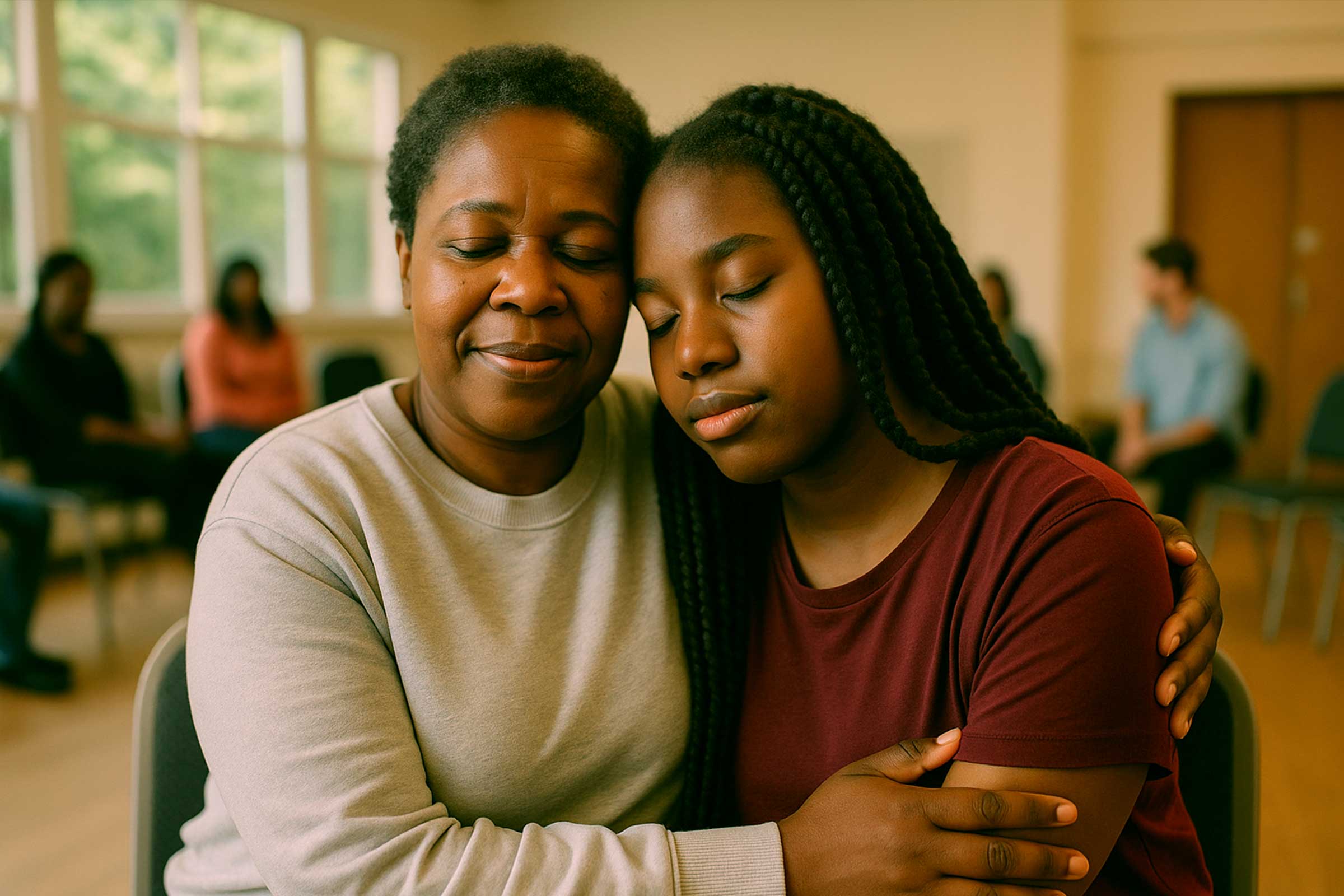
Tendai, a Zimbabwean refugee in Moston, joined our 2024 learning circle with her autistic daughter, Chipo (14). Singing Shona lullabies during workshops helped Chipo regulate emotions, boosting her WEMWBS score by 15%. Tendai, once isolated due to language barriers, found community through these sessions, with 85% of attendees reporting stronger ties. Her oral history, translated into Shona, highlighted how music bridged cultural gaps. “Chipo smiles more now, and I’ve made friends,” Tendai shared. Their story, part of 200 booklets distributed to 20 schools, educates others about autism heritage.
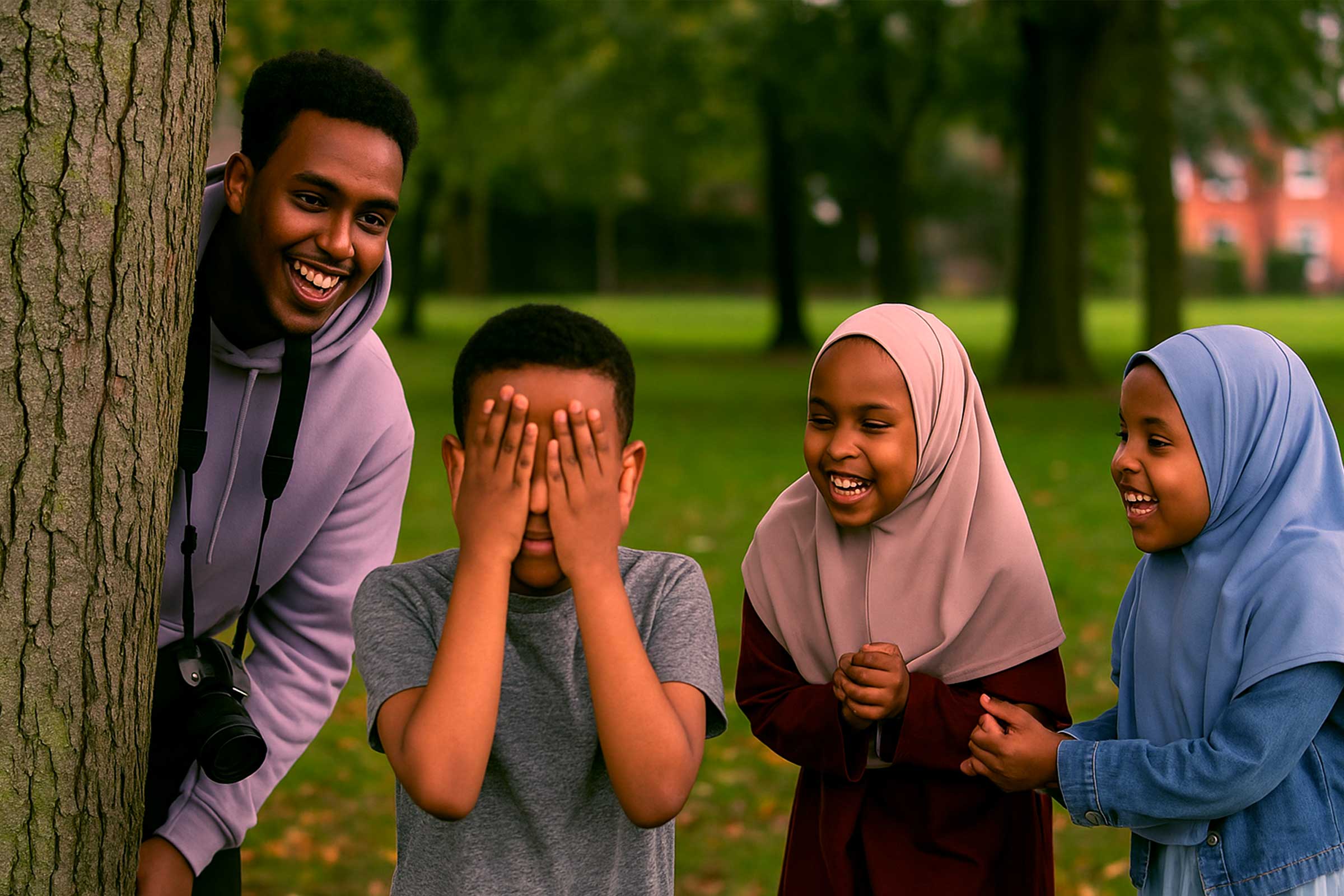
Malik, a 16-year-old autistic Somali youth from Newton Heath, struggled with social isolation. Our 2023 Chihwande-hwande (hide and seek) games at a festival sparked his engagement, with 90% of youth reporting fun. Malik volunteered to record oral histories, gaining filming skills (90% volunteer certification rate). His story, featured in a mini-film, showed how games countered stigma linked to Somali beliefs about autism. “I feel confident sharing my culture,” he said. The film, with 1,000 downloads, inspired 70% of viewers to rethink autism attitudes.
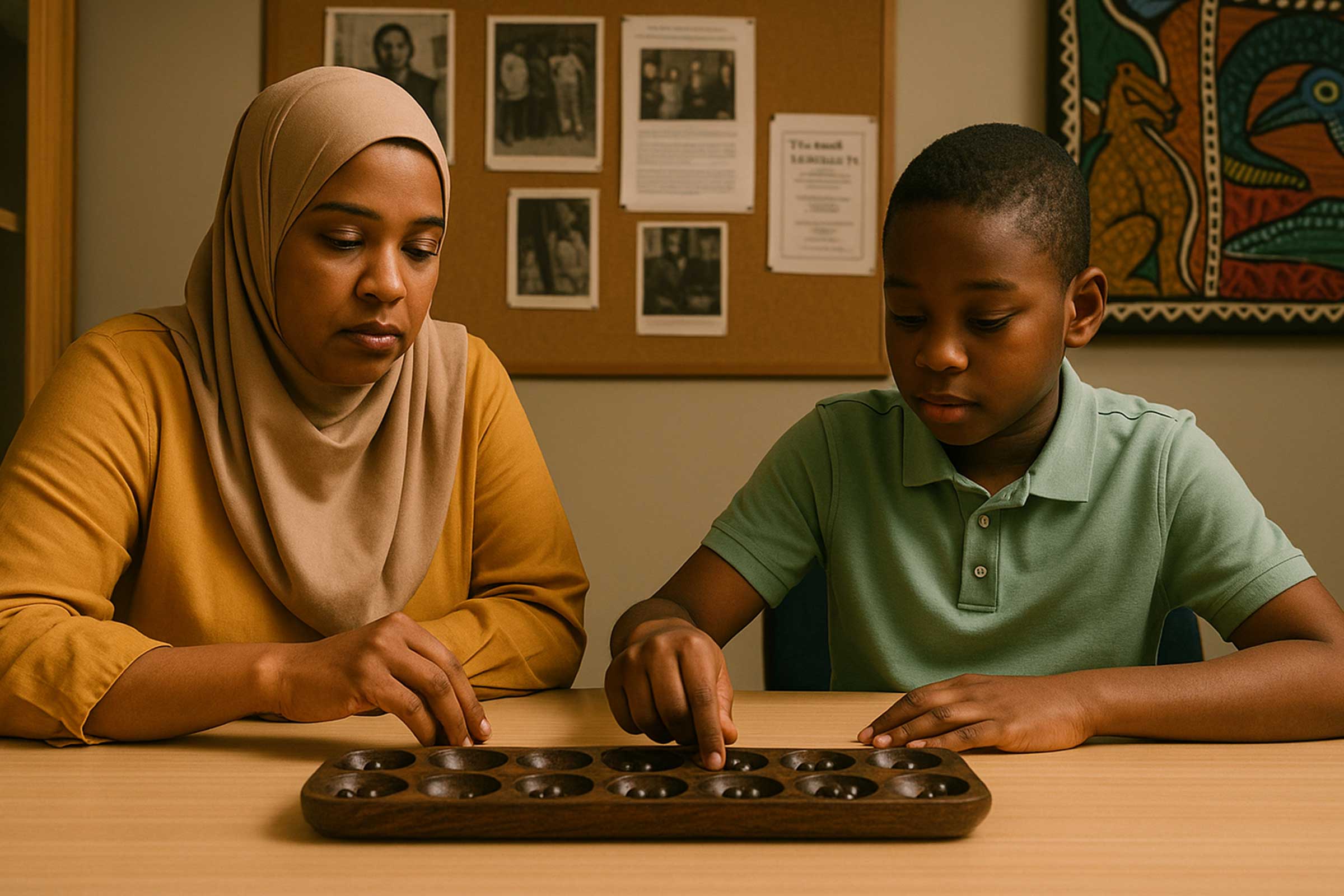
Fatima, a Nigerian carer in Harpurhey, faced stigma when her autistic son, Ade, was labeled a “spirit child” in her community. Our 2024 exhibition introduced her to African folk tales reimagined to challenge such beliefs. Ade’s participation in Oware games improved his social skills (75% parent-reported gains). Fatima’s oral history, part of 5 infographics, reached 10 libraries, educating 600 students. “These stories helped my family heal and feel accepted,” she said. Her involvement in our Parent Forum strengthened community ties, with 80% reporting reduced isolation.
A NEW CHAPTER
Turning lived experience into Heritage
In 2023, our work entered a new chapter through an autism heritage project supported by the National Lottery Heritage Fund.
The project created an opportunity for neurodivergent young people and their families from African, Caribbean, South Asian and Middle Eastern backgrounds to share their experiences, traditions and memories.
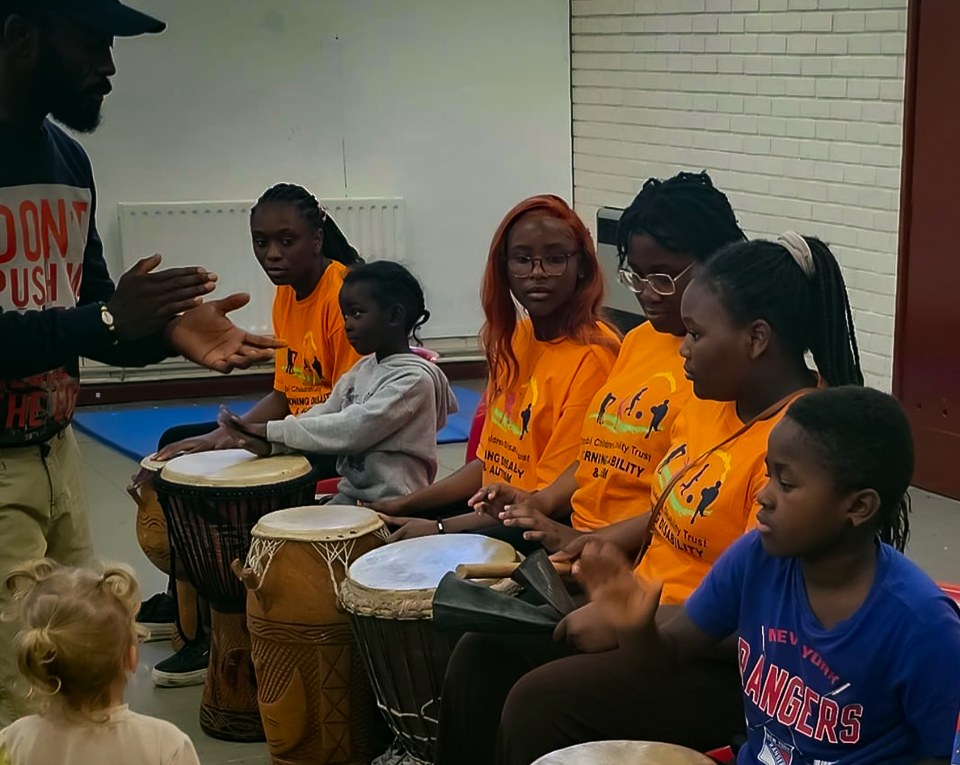
Through oral histories, workshops, music, traditional games and intergenerational conversations, families were able to explore what autism means within their cultures while celebrating the heritage that shapes their identities.
Preserving stories. Celebrating culture. Building understanding.
Through our Autism Heritage project, families opened up about their experiences of raising and supporting autistic children within Manchester’s diverse communities.
From personal challenges and moments of resilience to songs, games, languages and childhood memories, these oral histories capture the experiences that make each family unique.
27 oral histories have been recorded, creating a growing collection of stories that can be shared with the wider community and preserved for future generations.

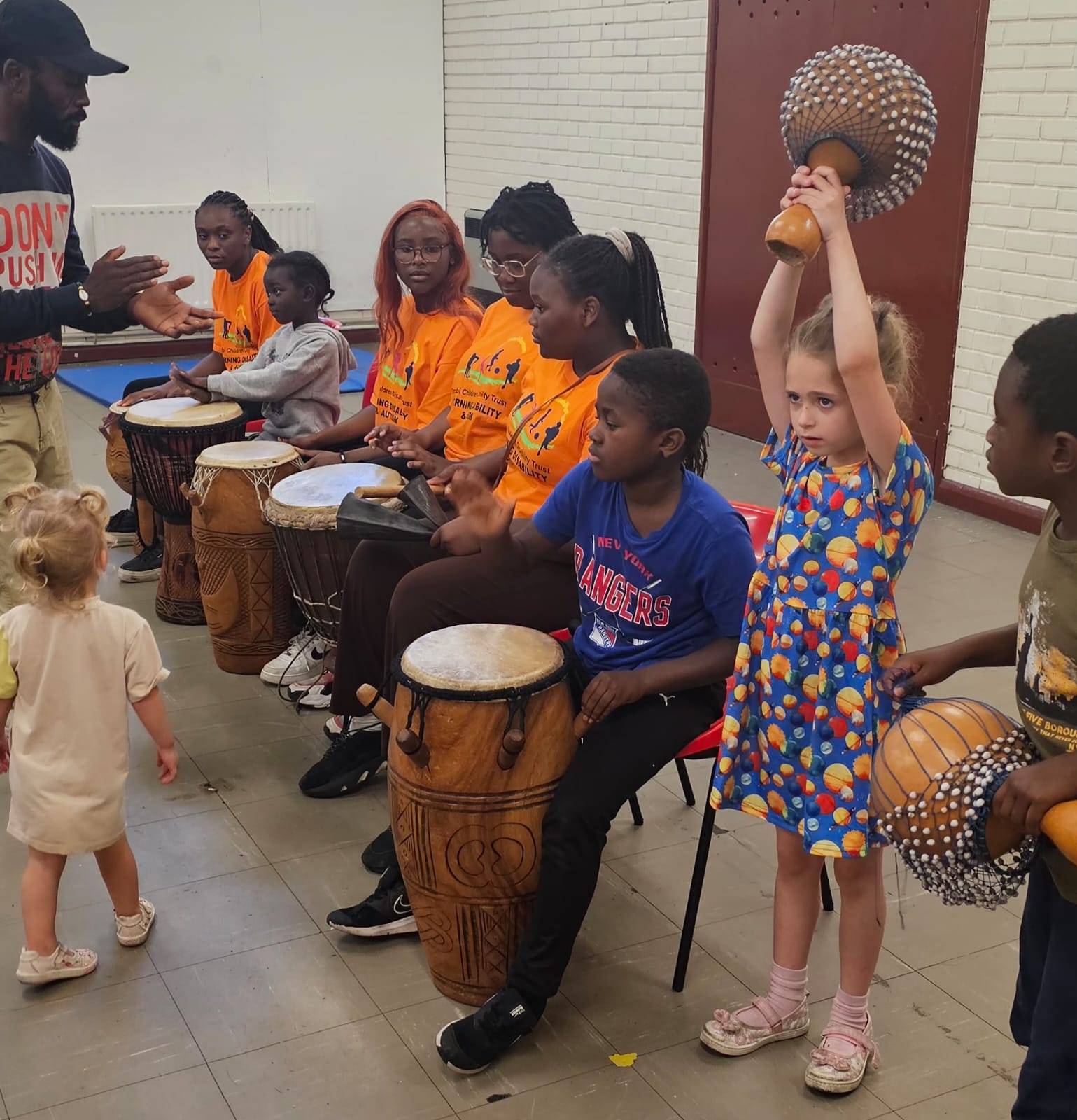
Songs & Lullabies
Families shared traditional songs and lullabies in their native languages, creating moments of connection between parents, children and generations.
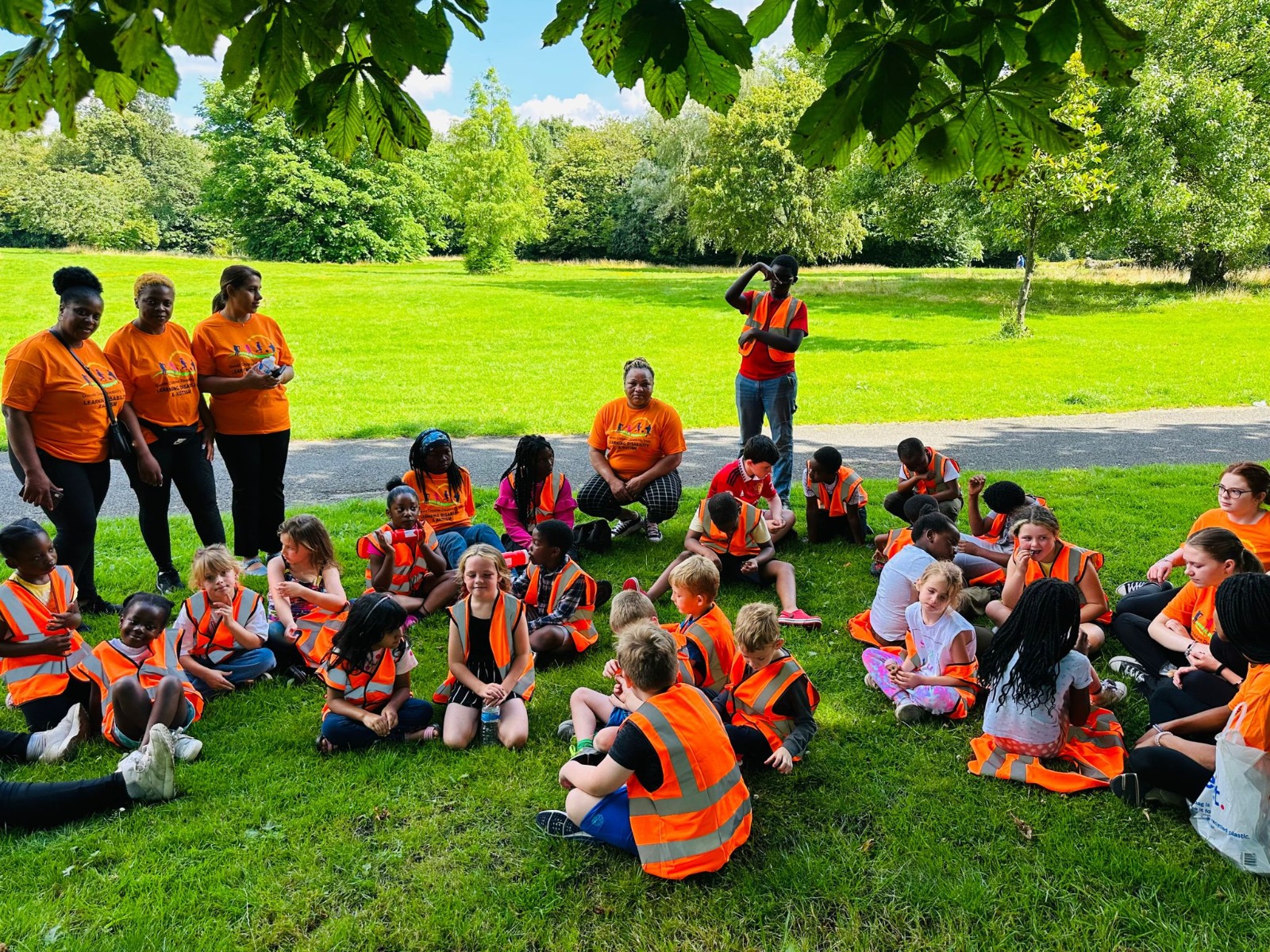
Traditional Games
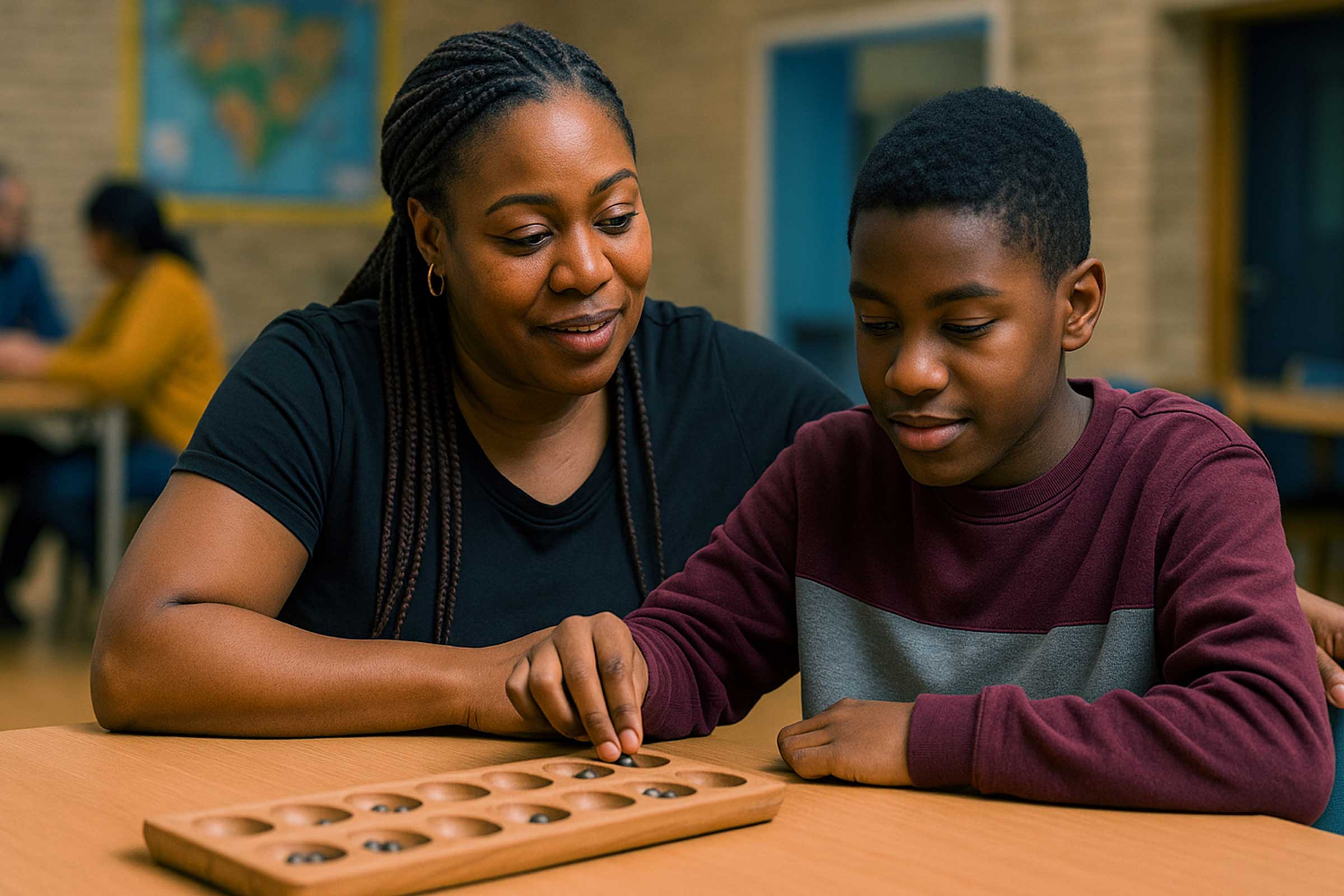
Games such as Oware and Chihwande-hwande gave children and families a chance to play, communicate and experience their heritage together.
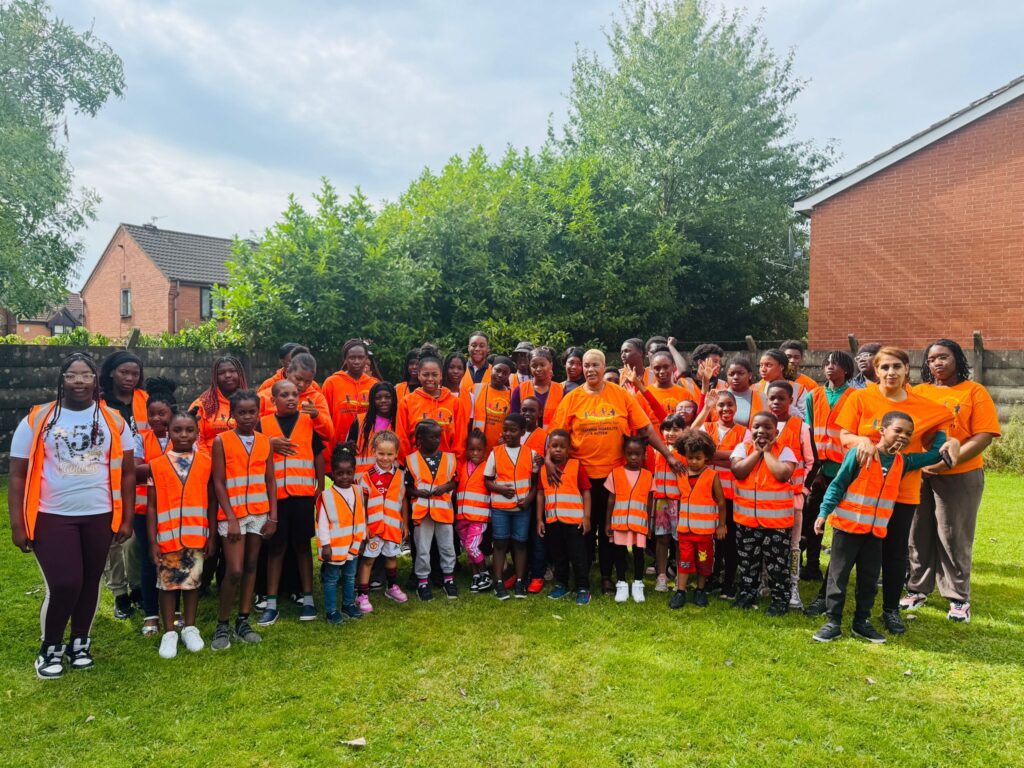
Stories & Memories
Intergenerational conversations gave families space to share memories, experiences and cultural traditions that might otherwise be forgotten.
FROM PROJECT TO MOVEMENT
A story that is still being written
What began as a response to silence has grown into a movement of pride, resilience and belonging.
Today, parents continue to come together through our monthly Parent Forum to share experiences, challenge barriers and help shape future action. Young autistic voices that were once hidden are now being represented through mini-films, exhibitions and community storytelling.
The Autism Heritage project has shown us that when people are given the space to share their experiences, stories can change perceptions, strengthen communities and create lasting connections.
This isn't just about autism. It's about belonging.
It’s about bridging heritage and health, replacing isolation with connection, and creating a future where difference is understood, respected and celebrated.
KEEP THE STORY GOING
Every story has the power
make a difference.
The stories collected through the project were created to be shared. Through exhibitions, schools, community activities and digital platforms, we have taken these experiences into spaces where they can inspire conversation and understanding.
@ 2026 Dimobi Children Disability Trust. All Right Reserved.